
European larch, Larix decidua, is a bit of a guilty pleasure for me. It's one of those plants that I really wish I could have for my very own. I love the contrasting textures of the fine, deciduous (yes!) needles and the coarse, nubby branches. The bark is deeply furrowed, and the size of the tree is majestic. Oh, to see a forest of larch in it's native, northern European, habitat!

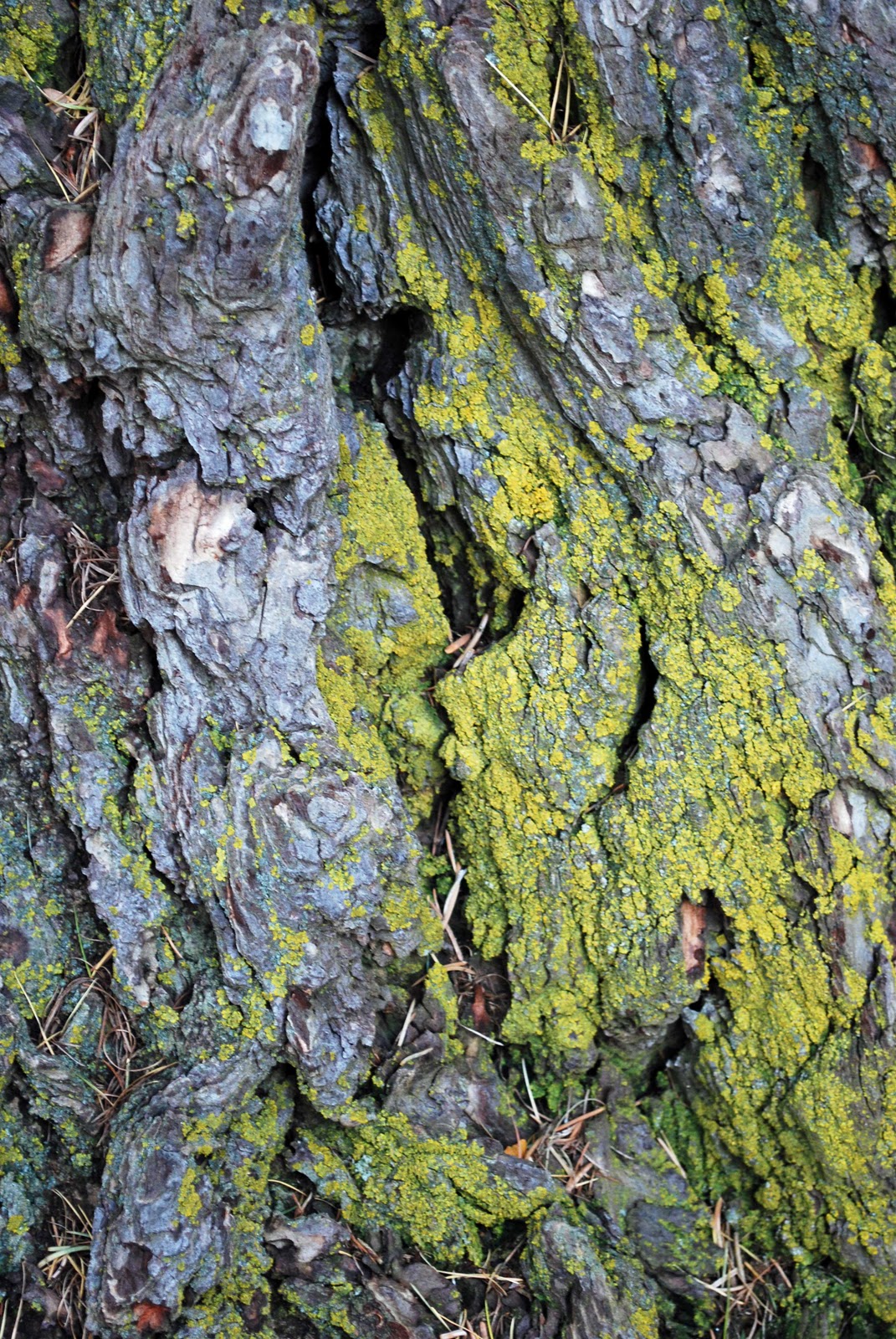
So what's the problem? Although Larix decidua is hardy to zone 2, and not too fussy about soil, it needs plenty of moisture and, I suspect, moderately high humidity. It also needs plenty of space, as it can grow 75 to 100 feet tall and 25 to 30 feet wide (comparable to a Colorado blue spruce). These growing requirements mean that larch is not suitable for most landscapes in the Rocky Mountain region (and why you rarely see it for sale at local nurseries).

These photos were taken at Fort Collins' (Colorado) City Park a couple of weeks ago. The trees are in a well irrigated area, and somewhat protected (and crowded) by a small grove of spruce trees. The foliage is sporting its yellow fall color; in the spring the new, emerging needles are bright green and then turn darker in the summer. I first became aware of this planting when I was a horticulture student at Colorado State University back in the 1970s. I was thrilled to see that they are still alive --- and not just a dream!


